
)
In this second of two articles, Interserve Partner Alison, based in Thailand, reflects on what it means to embrace those with disability and differences within local communities and churches.
A few weeks ago, a colleague said to me, “I want this classroom to be a place where our students can be their authentic selves.” That simple statement really struck me. Often, people with disabilities have to access spaces designed for others. Our son, who is profoundly deaf, navigates a hearing world. The students in our Special Education (SpEd) classroom are trying to access a school built for neurotypical learners. We often speak of “special needs,” but they also display enormous amounts of resilience and determination. My son has become skilled at understanding hearing people, yet hearing people often struggle to understand him. This imbalance reflects a broader reality: many people with disabilities live in spaces not designed for them.
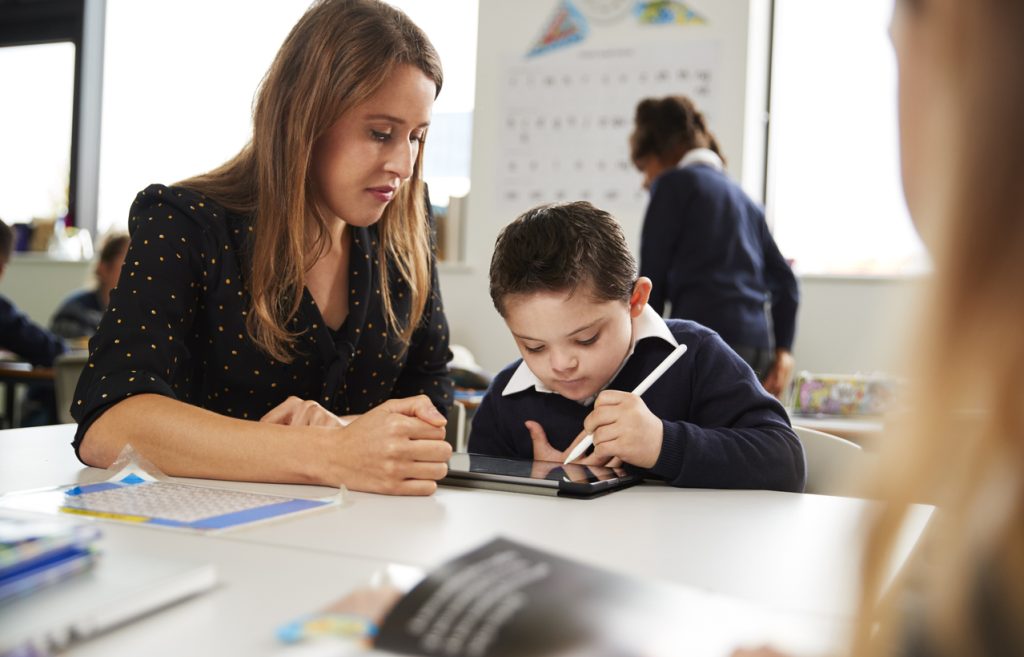
That’s why the SpEd classroom my colleague created is so special. It’s a space designed for the students, where teachers adapt their methods to meet the students’ needs—not the other way around. This approach honours their dignity and supports authentic self-expression.
A few years ago, visiting the UK, we attended an ‘autism-friendly’ cinema screening. The lights stayed on, the sound was lowered, and children could move freely or take breaks. It was a rare, intentional space where neurodivergent children could simply be themselves, but the only neurotypical people attending were their family members. It felt bittersweet— that such inclusive environments often exist only as “special events,” separate from everyday life.
Our SpEd classroom is a safe haven where students can be authentic. But what about the rest of their day—in other classrooms, at home, or in church? In Thailand, many people with disabilities have historically been hidden from society, kept at home or placed in institutions. However, in the past 15 years, I’ve seen a cultural shift with more visibility and inclusion. Negative attitudes rooted in local beliefs still persist, such as the idea that disability is a punishment for sin – a view which Jesus rejects when he meets a man who was blind from birth (John chapter 9). But beyond this, I’ve come to understand the powerful influence of “saving face” in Thai culture. This concept, which I’m still learning to fully grasp after 12 years here, involves maintaining social dignity by acting in ways expected by others. For people with disabilities and their families, “saving face” can be especially challenging. They may struggle to meet societal expectations, risking shame or rejection. For example, at school, all students stand still during the Thai national anthem, but many children with disabilities find this difficult. Such moments, though small, repeatedly highlight their difference and can deepen feelings of exclusion.
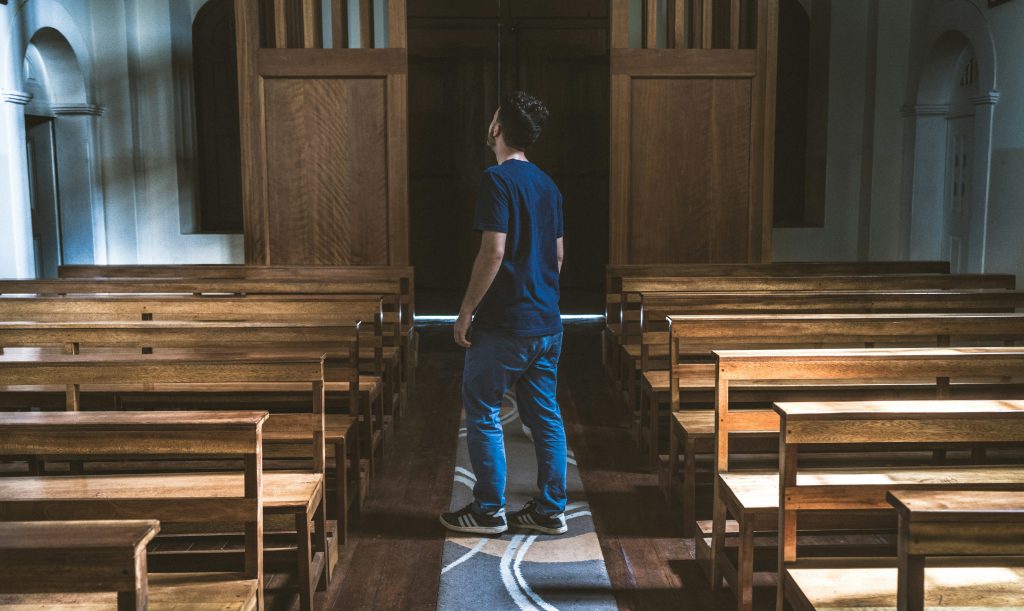
When our family is in environments designed for people with disabilities, like the SpEd classroom or that special cinema screening, we feel fully accepted and valued. These spaces allow our son and our family to breathe without masking or performing. Church, however, has often been a place where our son must mask the most. Instead of a welcoming space for our whole family, it becomes an event to navigate, and can feel inaccessible and isolating. This breaks my heart because the Church should be where everyone feels valued and loved. Yet many people with disabilities experience rejection at church; which ultimately communicates that church – and by extension, God – is not for them.
In Thailand, Christianity is often seen as a Western religion, and being Thai is closely tied to Buddhism. Christians work hard to break down this barrier, but disability adds another layer of exclusion that is often overlooked. Yet, the concept of “Saving Face” offers a profound opportunity for churches: a place where face does not need to be saved because Jesus has already done the saving. At church, no one should have to perform or mask who they are. We can approach God confidently, as we are—fully known, fully loved. Psalm 139 reminds us that God knit us together in our mothers’ wombs, knowing our needs intimately. These truths apply to all people, without exception.
The SpEd classroom and autistic-friendly cinema are beautiful examples of safe spaces where people can be their authentic selves. But they are often disconnected from broader society and community life. True inclusion means welcoming, valuing, and embracing people with disabilities as full members of the body of Christ and as full members of society. When churches embody this radical inclusion, they reflect the heart of the gospel and the God we believe in—a God who cares deeply for the vulnerable and marginalized. Creating such spaces is not just an act of kindness, but a powerful witness to the transformative love and justice at the core of the Christian faith.
Join the Interserve Weavers
Could you commit to give regularly to support God’s work through Interserve?
View More